
- Home
- >
- Blog
How Often Should You Bathe Your Dog? Complete Expert Grooming Guide
2026-07-23
How Often Should You Bathe Your Dog? Complete Expert Grooming Guide
Every dog parent has asked this question at least once: How often should I bathe my dog? Many new owners fall into two extreme grooming mistakes — bathing their dogs too frequently and damaging their skin barrier, or leaving them unbathed for months, resulting in smelly fur, dirt buildup, fleas, and skin infections.
Bathing frequency is never a one-size-fits-all standard. It depends heavily on your dog’s breed, coat type, lifestyle, skin condition, and outdoor activity level. As a professional pet groomer and long-time dog owner, I’ll share vet-approved bathing rules, common grooming mistakes, and practical care tips in this complete guide. You will learn how to arrange a scientific bathing schedule and pick the best dog grooming supplies to keep your pup clean, fresh, and skin-healthy all year round.
Why Proper Dog Bathing Frequency Matters for Skin Health
A dog’s skin is vastly different from human skin. Human skin is slightly acidic, while canine skin has a neutral pH balance with a natural protective oil layer. This oily coating locks in moisture, resists bacteria, and prevents skin allergies and dryness.
Bathing too often strips away natural skin oils, causing dry, flaky skin, constant itching, redness, and sensitive skin problems. Over-bathing is the leading cause of recurrent canine dermatitis among household dogs.
Bathing too rarely leads to accumulated dirt, sweat, dead fur, and oil residue. These buildups breed bacteria, yeast, and parasites, causing stubborn body odor, matting fur, dandruff, and even fungal skin infections.
Only a reasonable bathing cycle plus high-quality dog grooming products can maintain your dog’s skin balance and long-term health.
General Vet-Recommended Dog Bathing Frequency by Coat Type
The dog’s hair and coat type is the core basis for determining bathing intervals. Below is the universal authoritative bathing standard for all common dog breeds, suitable for indoor family dogs.
1. Short-Hair Smooth-Coat Dogs
Recommended bathing cycle: Every 3–4 weeks
Breeds: Beagle, Bulldog, Pug, Labrador, Dalmatian, Boxer
Short-haired dogs have tight, smooth fur that is not easy to trap dirt, but they secrete more body oil and sweat, resulting in faster body odor. A 3–4 week bathing cycle effectively removes excess oil and odor without damaging the skin barrier. Regular brushing between baths can keep their fur smooth and tidy.
2. Long-Hair & Thick-Coat Dogs
Recommended bathing cycle: Every 4–6 weeks
Breeds: Golden Retriever, Husky, Samoyed, Pomeranian, Shih Tzu, Maltese
Long and double-coated breeds have dense fur that protects their skin and locks natural oils. Frequent bathing easily causes dry skin and hair split ends. A 4–6 week interval balances cleaning and skin protection. Daily brushing is essential to prevent fur matting and remove floating dust before bathing.
3. Curly-Hair Hypoallergenic Dogs
Recommended bathing cycle: Every 2–3 weeks
Breeds: Poodle, Bichon Frise, Portuguese Water Dog
Curly fur easily traps dust, dirt, and dead skin, and is prone to tangling and mildew if not cleaned regularly. These hypoallergenic breeds have low oil secretion but high dirt retention, requiring slightly more frequent bathing to keep fur fluffy, clean, and odor-free.
4. Hairless & Sensitive-Skin Dogs
Recommended bathing cycle: Every 2 weeks
Hairless dog breeds have exposed skin that directly contacts bacteria and dirt. Regular mild bathing prevents oil clogging and skin inflammation, requiring gentle, fragrance-free pet shampoo to avoid skin irritation.

Adjust Bathing Frequency Based on Your Dog’s Lifestyle
Fixed cycles need flexible adjustment according to daily activity scenarios. You can refer to the following practical rules:
• Indoor sedentary dogs: Extend the cycle appropriately, bathe every 5–6 weeks. Indoor dogs have less dirt exposure, and excessive cleaning is unnecessary.
• Outdoor active dogs: Bathe every 2–3 weeks. Dogs that often run on grass, play in mud, or swim outdoors are prone to dirt, bacteria, and parasite adhesion, requiring timely cleaning.
• Dogs with body odor problems: Shorten the interval slightly and use deodorizing pet shampoo to improve persistent odor.
• Puppies & Senior dogs: Avoid frequent bathing. Bathe once every 6–8 weeks. Puppies under 3 months old and elderly dogs have weak immunity; excessive bathing easily causes colds and skin diseases.
Critical Bathing Rules: When You Should NOT Bathe Your Dog
Many skin problems are caused by improper bathing timing. Avoid bathing your dog in the following situations to prevent health risks:
• Within 1 week after vaccination or deworming
• During cold, fever, diarrhea or physical discomfort
• Within 3 days after strenuous exercise (unstable blood circulation)
• Pregnant and lactating female dogs
• Low temperature winter nights, prone to colds
Must-Have Dog Grooming Supplies for Healthy Bathing
Bathing frequency is important, but the quality of grooming supplies determines your dog’s skin and fur condition. Using human shampoo or cheap inferior pet cleaning products is the main cause of canine skin diseases. Here are the essential grooming supplies every dog family needs:
1. pH-Balanced Dog Shampoo & Conditioner
Human shampoo is acidic and will destroy a dog’s neutral skin pH. Professional pet-specific shampoo is the only safe choice. Choose mild, non-irritating, sulfate-free formulas: moisturizing shampoo for dry skin, deodorizing shampoo for smelly dogs, and hypoallergenic shampoo for sensitive skin puppies. Matting-resistant dog conditioner keeps long fur fluffy, smooth, and tangle-free after bathing.
2. Professional Grooming Brushes
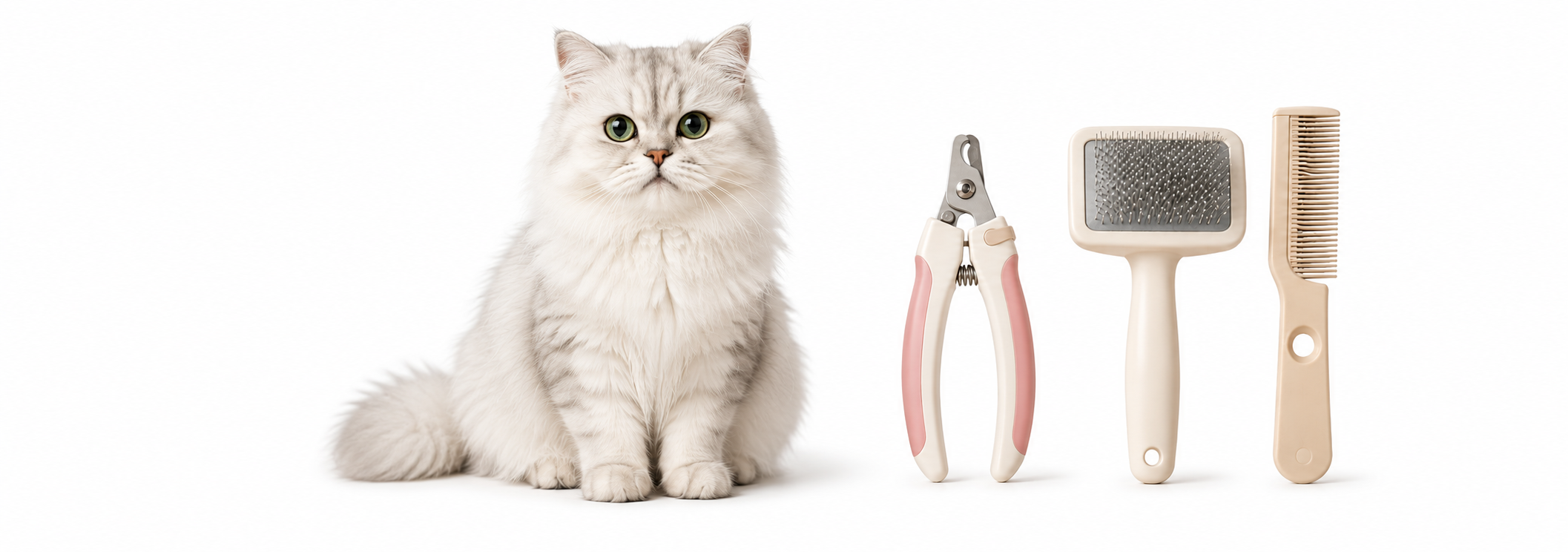
Daily brushing reduces bathing frequency effectively. Specialized slicker brushes and deshedding tools remove loose fur, floating dust, and dead skin, preventing fur matting and reducing oil buildup. Regular grooming keeps dogs fresh and clean longer between baths.

3. Absorbent Pet Towels & Low-Noise Dryers
Incomplete drying after bathing is the #1 cause of fungal infection and skin itching. Ultra-absorbent microfiber pet towels quickly remove surface moisture, and low-noise pet dryers thoroughly dry inner fur, avoiding residual moisture breeding bacteria. These tools are essential for safe and healthy bathing.

4. Bathing Non-Slip Mats & Grooming Gloves
Non-slip bathing mats prevent dogs from slipping and panicking during bathing. Soft grooming gloves make cleaning easier, deeply remove fur dirt, and protect your dog’s skin from scratching, bringing a comfortable bathing experience.
Top 3 Common Dog Bathing Mistakes to Avoid
1. Using human body wash or shampoo: Causes long-term skin dryness, itching, and hair loss
2. Not drying fur completely after bathing: Leads to yeast infection, dandruff, and persistent body odor
3. Bathing too frequently for odor control: Damages skin barrier, forming a vicious cycle of oily and smelly fur
The best dog bathing schedule is balanced and scientific — neither over-cleaning to hurt the skin nor under-cleaning to breed bacteria. Mastering the bathing cycle according to your dog’s breed, fur type, and lifestyle is the key to professional pet grooming.
Equipped with high-quality, pet-safe grooming supplies, you can easily maintain your dog’s skin health and fluffy fresh fur all year round, greatly reducing the risk of skin diseases and stubborn body odor.
If you are looking for professional, safe, and cost-effective dog grooming kits, our store provides a full range of premium pet bathing supplies, including deshedding brushes, absorbent pet towels, and quiet pet dryers. All products are made of skin-friendly, non-toxic materials, designed for professional dog grooming, helping every pet parent raise clean, healthy, and lovely furry companions effortlessly.
Choose and follow PLW for more premium content to explore!


Consultation