


- Home
- >
- Blog
Why Is My Cat Not Using the Litter Box? Common Causes and Solutions
2026-07-02
Why Is My Cat Not Using the Litter Box? Common Causes and Proven Solutions
Finding cat pee or poop outside the litter box is every cat parent’s worst nightmare. No matter how clean your home is or how well you train your kitty, sudden inappropriate elimination can happen out of nowhere, leaving you confused, frustrated, and stressed. Many owners mistakenly think their cat is misbehaving or throwing a tantrum, but in reality, cats stop using the litter box for specific physical, environmental, or product-related reasons.
As an experienced cat owner and pet product reviewer, I’ve helped dozens of friends fix this common household problem. Most litter box avoidance issues have nothing to do with bad cat behavior — they are warning signs of poor health, stress, or unsuitable litter box setups. In this complete troubleshooting guide, I’ll break down the most common reasons why cats refuse the litter box and share vet-approved, easy-to-follow solutions to permanently fix the issue.
1. Hidden Medical Issues (Top Cause of Litter Box Avoidance)
Before adjusting any supplies or habits, always rule out health problems first. According to feline veterinary research, urinary and digestive discomfort is the leading cause of litter box rejection. When cats feel pain while eliminating, they associate the litter box with suffering and start avoiding it completely.
Common health conditions leading to improper elimination:
• Urinary Tract Infections (UTIs) & Bladder Stones: Cause burning pain and frequent urgent urination, making cats reluctant to use the litter box.
• Feline Lower Urinary Tract Disease (FLUTD): Extremely common in indoor cats, leading to painful elimination and litter box fear.
• Arthritis & Joint Pain: Senior cats struggle to climb high-sided litter boxes, so they choose flat floors for convenience.
• Digestive Problems & Diarrhea: Uncomfortable bowel movements make cats avoid their regular bathroom spot.
Quick Solution: If your cat repeatedly eliminates outside the box, strains while peeing, or shows lethargy, visit the vet immediately. After ruling out medical issues, optimize your litter box setup with low-entry easy-access litter boxes and soft, gentle cat litter to reduce physical discomfort.
2. Unsuitable Cat Litter (Most Overlooked Daily Mistake)
Cats have extremely sensitive paws and noses. The cat litter you choose directly determines whether your kitty is willing to use the litter box. Many owners pick cheap, high-dust, strongly scented litter without knowing it will trigger cat aversion.
Litter-related reasons for avoidance:
• Strong artificial fragrance: Scented litter irritates cats’ sensitive noses, causing them to refuse elimination.
• Excessive dust: Low-quality dusty litter irritates respiratory tracts, making cats unwilling to stay in the litter box.
• Hard or uncomfortable texture: Rough particles hurt cat paws, especially for kittens and senior cats.
• Poor odor control: Dirty litter residue and lingering odors make cats seek cleaner spots around the house.
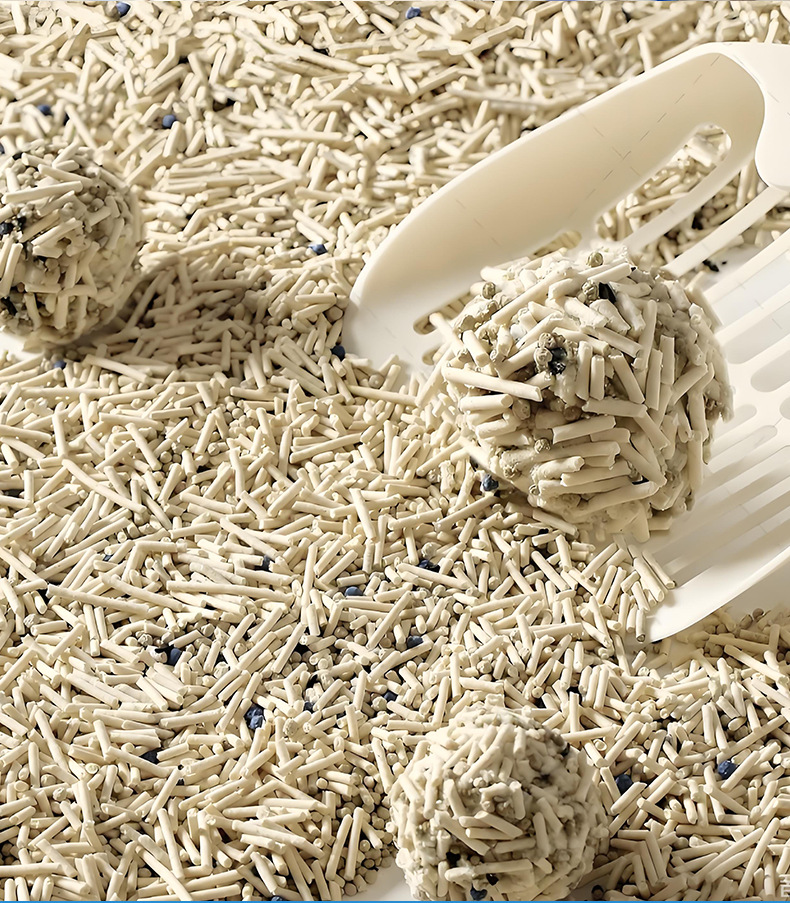
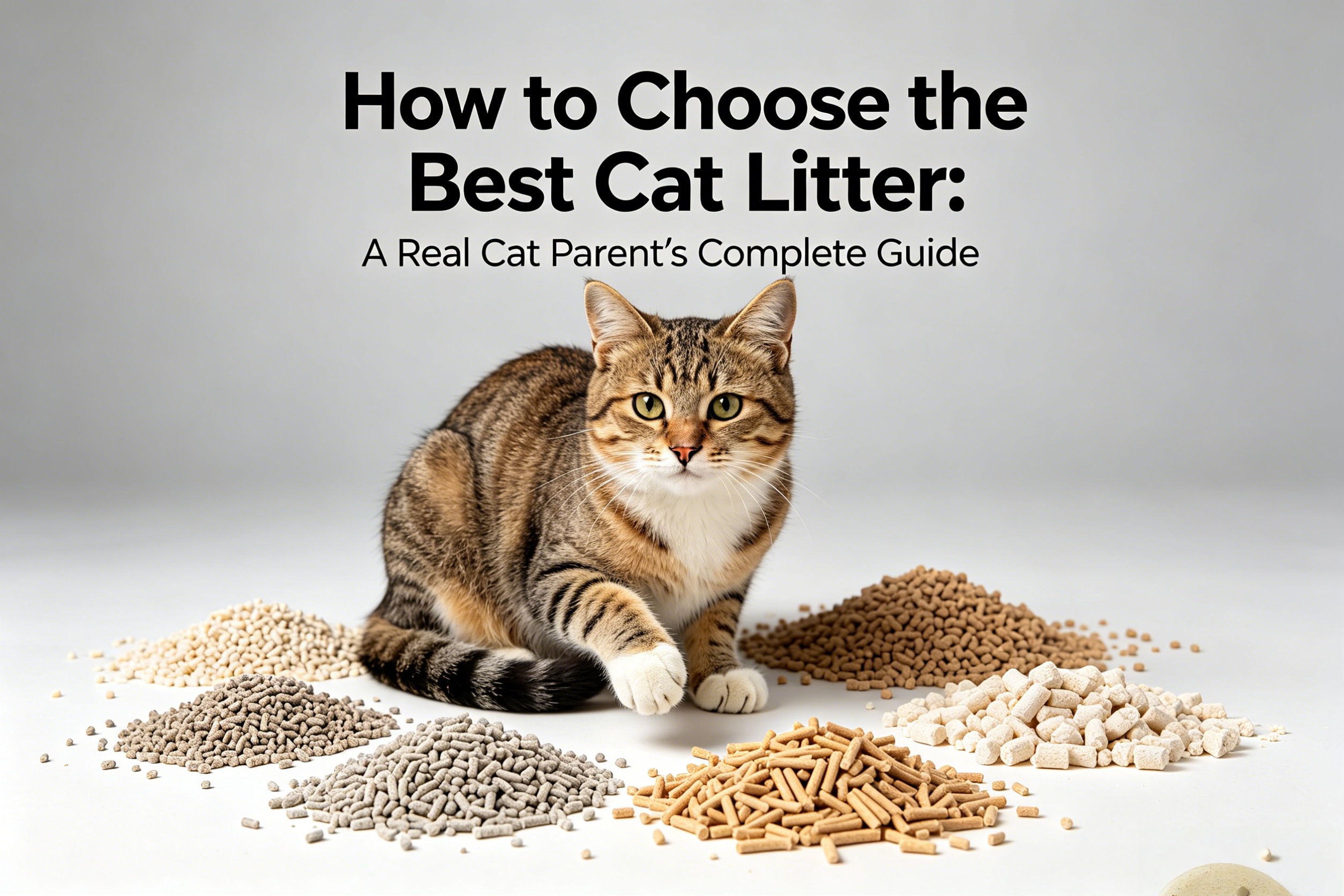
Proven Solution: Switch to low-dust, unscented, soft-texture cat litter with powerful natural deodorization. High-quality bentonite clumping litter and plant-based tofu litter are the most cat-friendly options, featuring comfortable paw feel, fast clumping, and long-lasting odor locking. Gradually mix new litter with old litter for 3–5 days to help your cat adapt quickly without resistance.
3. Dirty Litter Box & Improper Cleaning Habits
Cats are obsessive clean freaks. A dirty litter box is the most common behavioral trigger for inappropriate elimination. Unlike dogs, cats will never use a messy, smelly bathroom space.
If you only clean the litter box once every few days, leftover waste, scattered clumps, and accumulated ammonia odors will force your cat to find alternative clean spots like carpets, sofas, or bathroom floors. Covered litter boxes with poor ventilation will trap odors and worsen the situation.
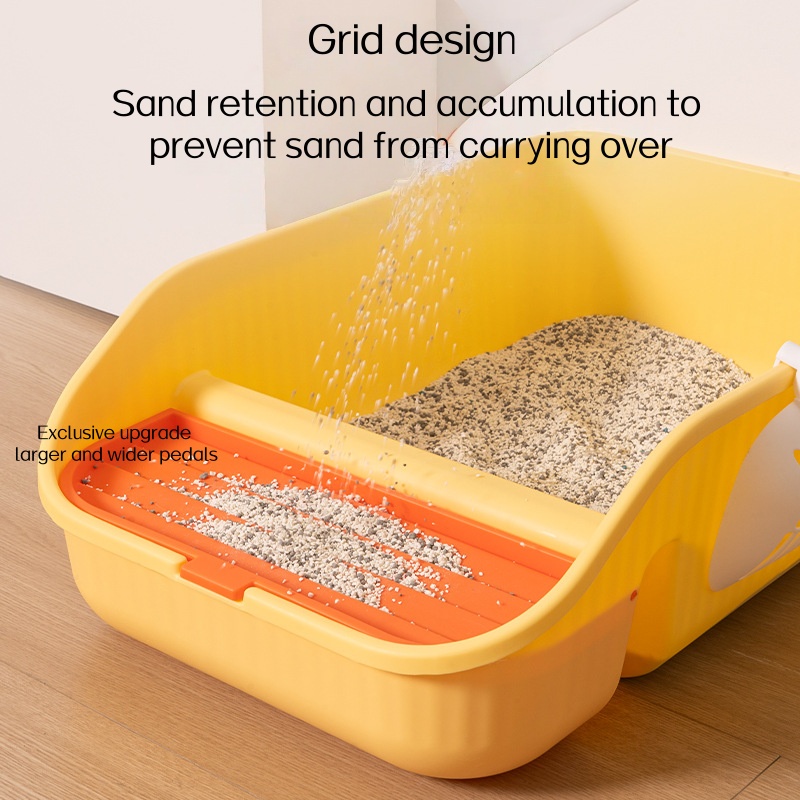
Effective Solution: Scoop waste at least twice a day and replace all litter completely every 1–2 weeks. Use high-efficiency deodorizing cat litter to restrain ammonia odor in real time. Match with a ventilated litter box and odor-proof litter mat to keep the entire litter area fresh and clean 24/7.
4. Bad Litter Box Location & Unreasonable Quantity
Location and quantity greatly affect cat usage habits. Many owners place litter boxes in noisy, high-traffic, or cramped areas, making cats feel unsafe and stressed.
Common location mistakes:
• Placing boxes beside loud washing machines, air conditioners, or busy walkways
• Putting litter boxes near food and water bowls (cats refuse to eat and eliminate in the same area)
• Insufficient litter boxes for multi-cat families
The golden rule for multi-cat households: number of litter boxes = number of cats + 1. Insufficient boxes lead to territorial competition and avoidance behavior.
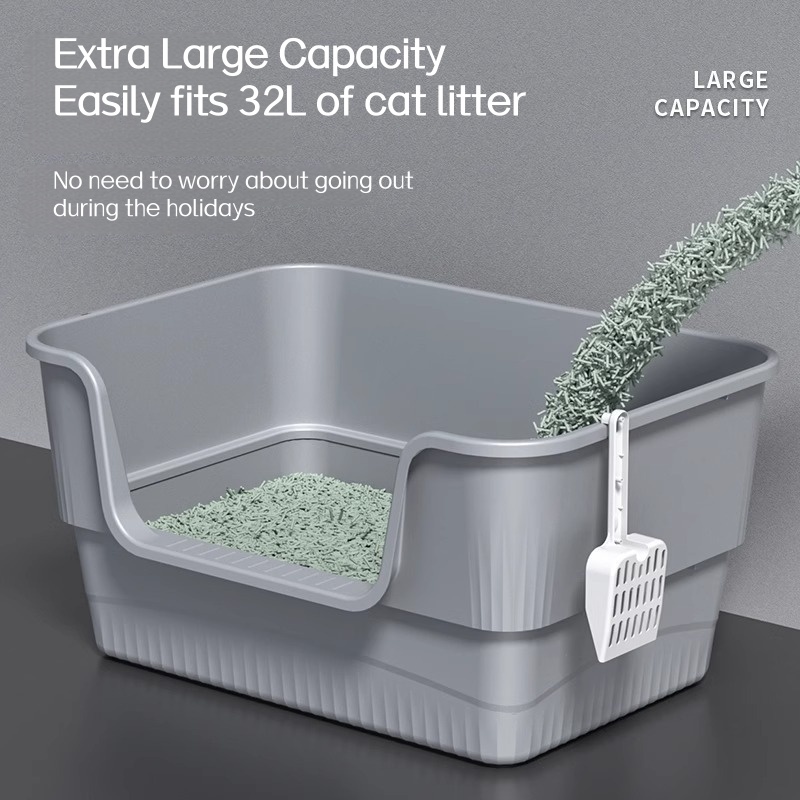
Optimization Solution: Place litter boxes in quiet, private, dry, and well-ventilated corners. Disperse multiple litter boxes in different rooms for multi-cat families to avoid competition and queuing.
5. Stress, Anxiety & Environmental Changes
Cats are extremely sensitive to environmental changes. Moving houses, new pets, new family members, loud renovations, or even furniture rearrangement can cause severe feline stress. Stressed cats often vent anxiety by eliminating outside the litter box.
Long-term loneliness for single indoor cats also leads to emotional instability and bad bathroom habits.
Stress Relief Solution: Keep your cat’s living environment stable. Place cat beds and scratching posts near the litter area to build a safe private zone. Use mild, hypoallergenic litter to avoid extra sensory stimulation and help your cat relax.
6. Age & Physical Limitations
• Kittens: Poor bladder control and unfamiliarity with litter boxes lead to accidental elimination.
• Senior cats: Slow movement, memory decline, and joint pain make it hard to reach or enter the litter box in time.
Targeted Solution: Use low-entry shallow litter boxes for kittens and senior cats. Match with super soft fine-particle litter to reduce movement barriers and improve usage willingness.
Permanent Prevention Tips: Build a Perfect Litter Box Habit
To completely solve litter box avoidance and prevent recurrence, stick to these long-term optimization tips:
1. Choose cat-first litter: Prioritize low-dust, unscented, fast-clumping, high-deodorization litter that fits your cat’s age and sensitivity.
2. Standardize cleaning routines: Daily scooping + regular full replacement to maintain zero-odor hygiene.
3. Match suitable litter box gear: Select low-entry, ventilated, anti-splash litter boxes and anti-tracking litter mats to optimize the overall experience.
4. Stabilize the living environment: Reduce unnecessary stress and give cats independent private activity spaces.
Litter box avoidance is never a cat’s misbehavior — it is always a reminder of health issues, inappropriate supplies, or uncomfortable environments.
Fixing litter box problems is simple once you find the root cause. Investing in safe, low-dust, high-performance cat litter and user-friendly litter box accessories is the most effective way to stop inappropriate elimination, keep your home odor-free, and protect your cat’s physical and mental health.
If you are tired of cleaning accidental cat messes and want to rebuild your cat’s good bathroom habits, explore our store’s premium cat litter series and matching litter box supplies. All products are strictly tested for low dust, safety, and strong deodorization, helping every cat parent solve litter box troubles permanently and enjoy a clean, fresh home with happy, healthy kitties.
Choose and follow PLW for more premium content to explore!
Consultation