

Cat litter is one of the highest-frequency repeat purchases in the pet category, which makes it a natural anchor product for retailers, distributors and private-label brands. It is also a surprisingly difficult product to source well. It is heavy and relatively low in margin, so freight and container loading can determine whether a shipment is profitable. At the same time, the terms buyers care about most — "low dust", "fast clumping", "odor control" — are almost impossible to judge from a supplier's listing photos.
Buyers sourcing cat litter in bulk from China commonly run into the same problems:
-
Dozens of factories offering products that look identical online but quote very different prices per ton.
-
Inconsistent dust levels, clump hardness and bag fill weights between production batches.
-
MOQ requirements built around a full container, while custom-printed packaging carries a separate MOQ and a separate lead time.
-
Customs delays or penalties caused by an incorrect HS code — the correct code depends on the litter's actual composition.
-
Suppliers who cannot provide the certificate of analysis (COA), MSDS or third-party test reports required by the destination market.
This guide explains how to compare cat litter types, evaluate real quality and cost drivers, manage MOQ and OEM packaging, and handle shipping and customs correctly. You can browse the full PLW range on the Cat Litter category page at any point while reading.
1. Know the Main Cat Litter Types Before You Compare Quotes
Chinese factories produce several distinct cat litter technologies. They do not compete on the same cost basis, and they suit different retail positioning, so the first sourcing decision is the substrate rather than the supplier.
Bentonite (clumping clay) litter
Bentonite litter, usually made from sodium bentonite, swells on contact with moisture and forms hard, scoopable clumps. It is the mainstream, price-sensitive volume product in most markets: strong clumping, good waste encapsulation and familiar granular texture. Its main trade-off is weight — bentonite is the heaviest litter type, which raises per-unit freight, and it is not flushable. Quality differences come mainly from dust control, granule size and clump firmness.
Tofu (plant fiber) litter
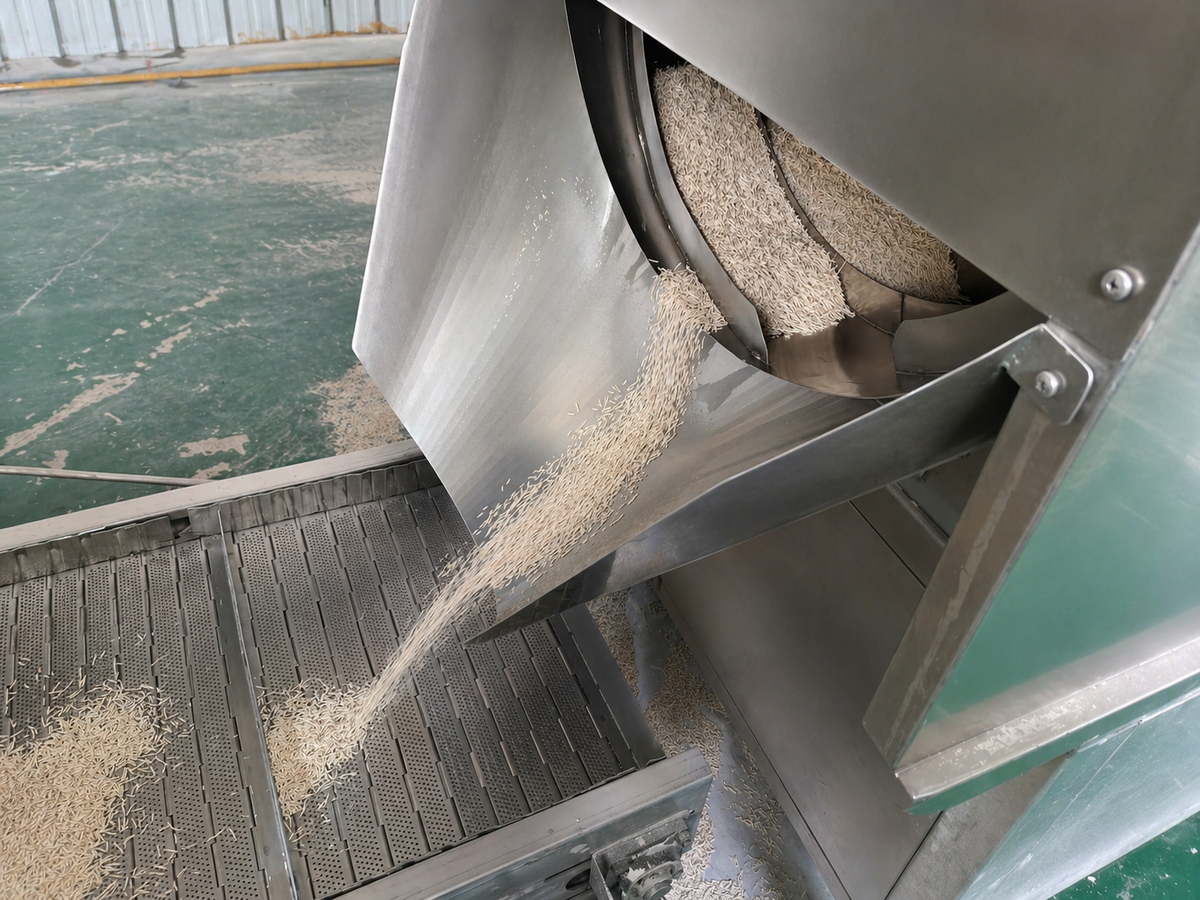
Tofu litter is made from pea fiber and soybean residue. It is plant-based, naturally low in dust, and small clumps can be flushed down the toilet. It is lighter than bentonite and fits eco-friendly, urban and indoor-cat positioning. The quality of tofu litter is defined by pellet hardness, moisture content and resistance to crumbling — cheaper pellets break into powder during transport and daily digging.
Cassava litter
Cassava litter is produced from cassava starch, with ultra-low dust and soft, rounded granules. It is positioned as a hypoallergenic option for sensitive cats and kittens, clumps firmly and is biodegradable.
Millet litter
Millet litter uses ultra-fine, soft natural granules that wrap soft stool well, produce very little dust and can be flushed. It is a niche premium option for indoor cats.
Mixed (blended) litter
Mixed litter combines two substrates to balance their weaknesses. A common formula is 70% tofu blended with 30% bentonite: the tofu component keeps the clumps small and flushable, while the bentonite adds clump strength and odor control. Blends are increasingly popular with retailers that want one SKU covering both eco positioning and strong performance.
Table 1 summarizes the five types at a glance.
Table 1. Cat litter type comparison for bulk buyers
|
Type
|
Main material
|
Clumping
|
Dust
|
Flushable
|
Typical retail fit
|
|
Bentonite
|
Sodium bentonite clay
|
Fast, hard clumps
|
Low-dust grades available
|
No
|
Mainstream, value / volume
|
|
Tofu
|
Pea fiber & soybean residue
|
Fast firm clumps
|
Very low
|
Small clumps
|
Eco, indoor, urban
|
|
Cassava
|
Cassava starch
|
Firm lightweight clumps
|
Ultra low
|
Small clumps
|
Sensitive cats & kittens
|
|
Millet
|
Natural millet
|
Fine clumps
|
Very low
|
Yes
|
Premium indoor niche
|
|
Mixed blend
|
Tofu + bentonite (e.g. 70/30)
|
Strong stable clumps
|
Low
|
Small clumps
|
Balanced all-rounder
|
2. Quality and Cost Drivers That Actually Matter
When two factories quote what appears to be the same product, the price gap usually reflects one of the variables below. Asking for these parameters in writing — rather than accepting marketing adjectives — is how professional buyers separate real quality from listing claims.
Dust level and dedusting process
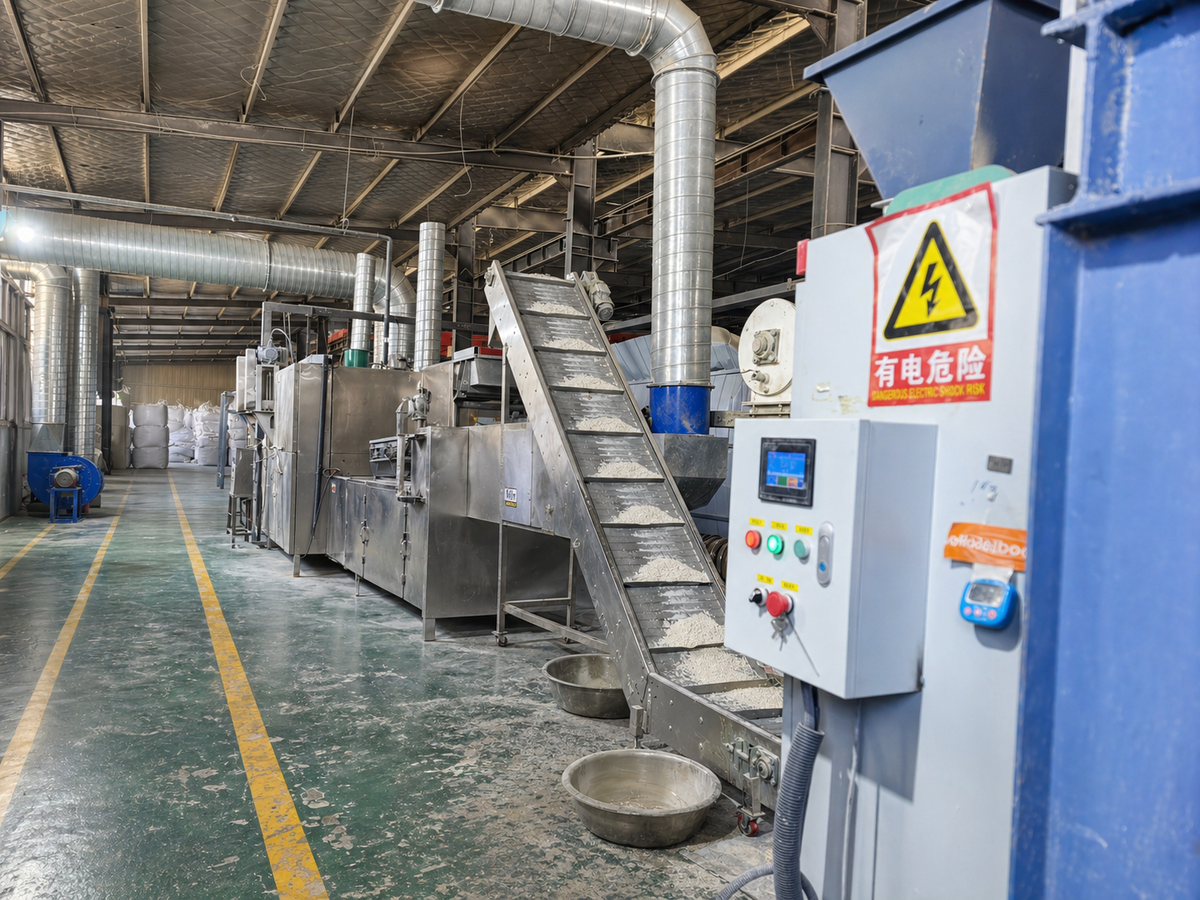
Dust drives returns, complaints and respiratory concerns. Better producers run multi-stage dedusting (for example, a four-stage system) and can describe the process rather than simply labeling a bag "low dust". Request a dust figure or a third-party dust test where possible.
Clumping speed and clump strength
A quality litter absorbs moisture within seconds and forms a clump that survives scooping without crumbling or sticking to the bottom of the box. Clump breakage leaves debris and odor in the tray, which is one of the most common end-consumer complaints.
Particle size and pellet hardness
Particle sizes are typically quoted in millimeters — fine 1.5mm and 1.8mm pellets reduce tracking and feel soft underfoot, while larger bentonite granules encapsulate waste more aggressively. For tofu litter, hardness (a 55° rating is a premium benchmark) and moisture content (under 11% is typical for a stable pellet) prevent crushing and dust in transit.
Odor control and scent options
Odor performance can be structural — ammonia suppression, activated carbon or nano-porous adsorption — or delivered through scents such as green tea, peach or a mild milky fragrance. Scented SKUs sell well in some markets and are rejected in others, so confirm preference with your own sales data.
Bag fill and unit economics
Cat litter is sold in both liters and kilograms, and two "10L" bags do not necessarily contain the same weight. Always compare quotations on price per kilogram and on landed cost, and agree the net-weight tolerance on the specification sheet before production.
3. MOQ, Private Label and OEM Packaging Explained
A common first-time buyer mistake is treating MOQ as a single number. For cat litter there are usually two MOQs to confirm: one for the litter itself and one for custom-printed packaging.
-
The industry norm for full OEM orders is around 10 metric tons, which is roughly the payload of one 20GP container. Many factories will accept 2–4 different SKUs mixed inside that container rather than forcing a single product.
-
Custom-printed bags have their own MOQ (set by the packaging printer) and their own lead time. A plain-bag bulk order can ship faster than a private-label order, even for the same litter.
-
OEM/ODM scope typically covers formula, particle size, scent, color, bag size, artwork and label languages. Confirm exactly which items are included in the quoted price and which carry setup fees.
-
Peak demand runs from roughly September to February. Container space and factory capacity tighten in this window, so confirm a written lead time and place peak-season orders earlier.
PLW publicly supports OEM & ODM, sample support, flexible MOQ and dedicated order follow-up; see the Cat Litter category for current service details.
4. Shipping, Customs and HS Code Risks
Because cat litter is heavy, logistics discipline is part of product quality. The following points should be settled before a proforma invoice is finalized.
Container loading and weight limits
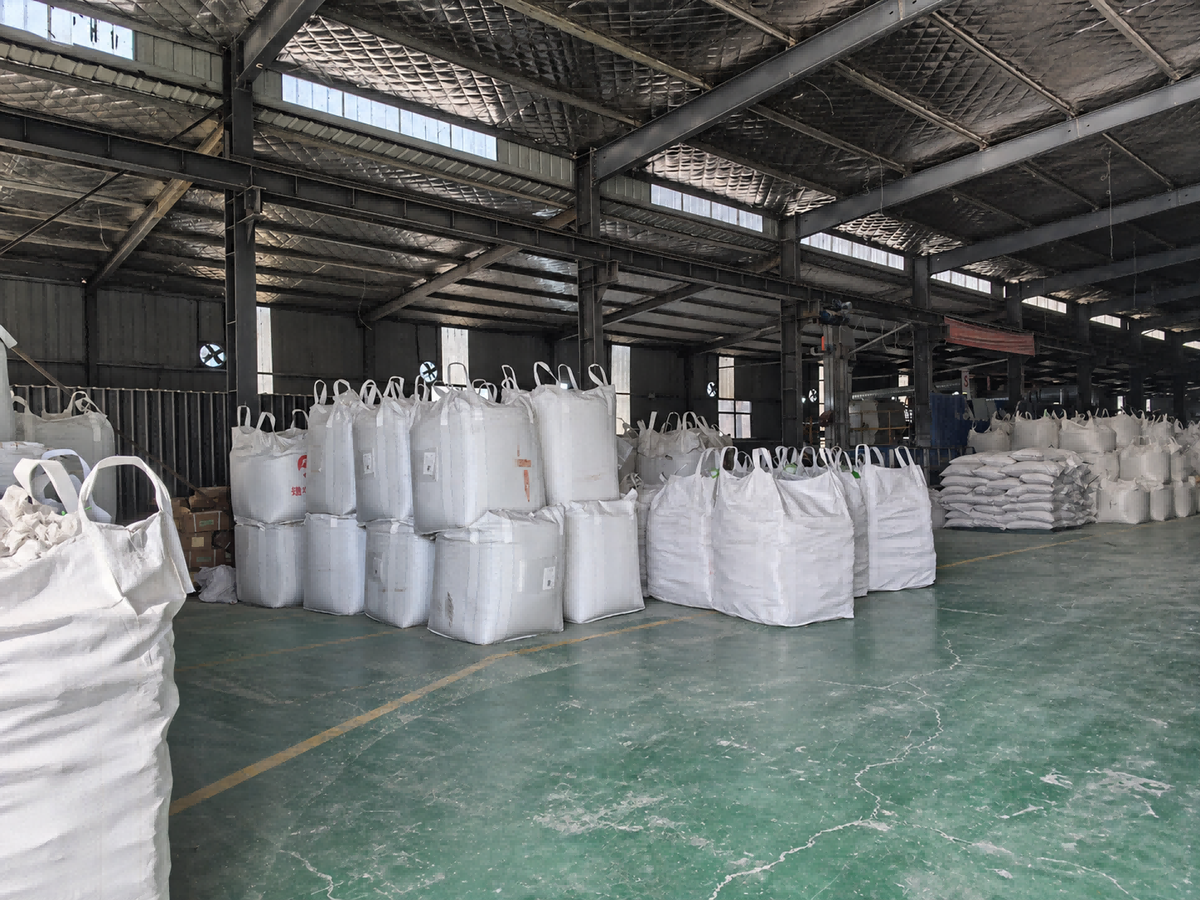
Bentonite is dense: a container reaches its weight limit long before it is full, while lighter plant-based litters fill volume first. Ask the supplier for a written loading plan — bags per pallet, pallets per container, gross and net weights — and check it against your shipping line's weight restriction. Inner moisture-barrier packaging and proper palletization protect against humidity and bag damage during a long ocean voyage.
Incoterms
Request quotations in FOB, CIF and DDP where available. FOB suits experienced importers with their own freight contracts; DDP hands duty and clearance to the supplier and can be the safer option for a first order, but always compare what is included rather than only the headline number.
HS codes and composition
There is no single universal HS code for cat litter. Bentonite-dominant litter is commonly classified under bentonite headings (such as 2508.10), prepared or blended products may fall under 3824, and plant-fiber litter may fall under headings such as 1404. Misclassification has resulted in customs penalties in practice. Confirm the correct code with both the supplier and your own customs broker based on the actual formula, and make sure the same code appears on the invoice and packing list.
Export documents and payment terms
A compliant bulk shipment should include the commercial invoice, packing list, bill of lading, batch COA and MSDS, plus third-party reports (SGS, Intertek, Bureau Veritas) and a certificate of origin where your market requires one. Standard payment terms are 30% T/T deposit with 70% against the bill of lading copy; avoid any supplier demanding 100% prepayment, and letters of credit can be used for larger orders.
5. Why B2B Buyers Work with PLW
PetsLoveWorld(PLW) is positioned as a one-stop sourcing partner for pet products rather than a single-product factory. For cat litter buyers this means four services that matter in practice: OEM and ODM from formula through packaging; sample support so products can be tested before a bulk commitment; flexible MOQ that accommodates businesses at different stages; and dedicated follow-up through production and delivery.
Product Examples: PLW Cat Litter with Real Specifications
Example 1 — Bentonite Cat Litter, Low Dust Fast Clumping
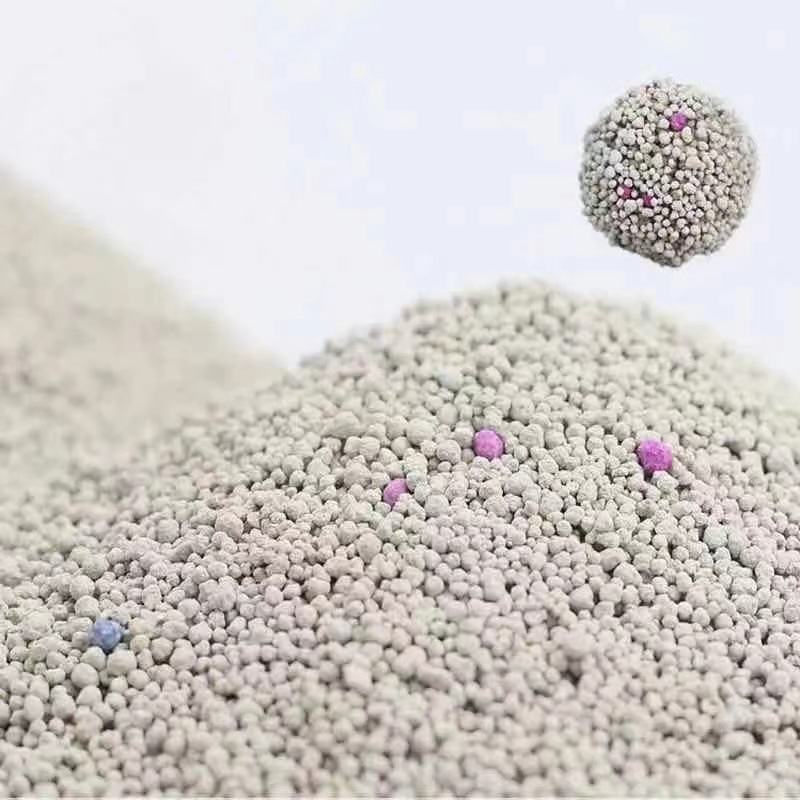
Product page: Bentonite Cat Litter, Low Dust Fast Clumping
-
Type: clumping mineral cat litter; main material: bentonite.
-
Key features: upgraded odor-control formula, multi-stage low-dust processing, instant absorption and rapid firm clumping, large granules for waste encapsulation, non-stick base, easy scooping.
-
Application: single-cat and multi-cat households.
-
Service: OEM, private label and wholesale; customized packaging, scent options and formula adjustments are available.
Send a pre-filled inquiry: Inquire about Bentonite Cat Litter
Example 2 — Hard Strength Tofu Cat Litter
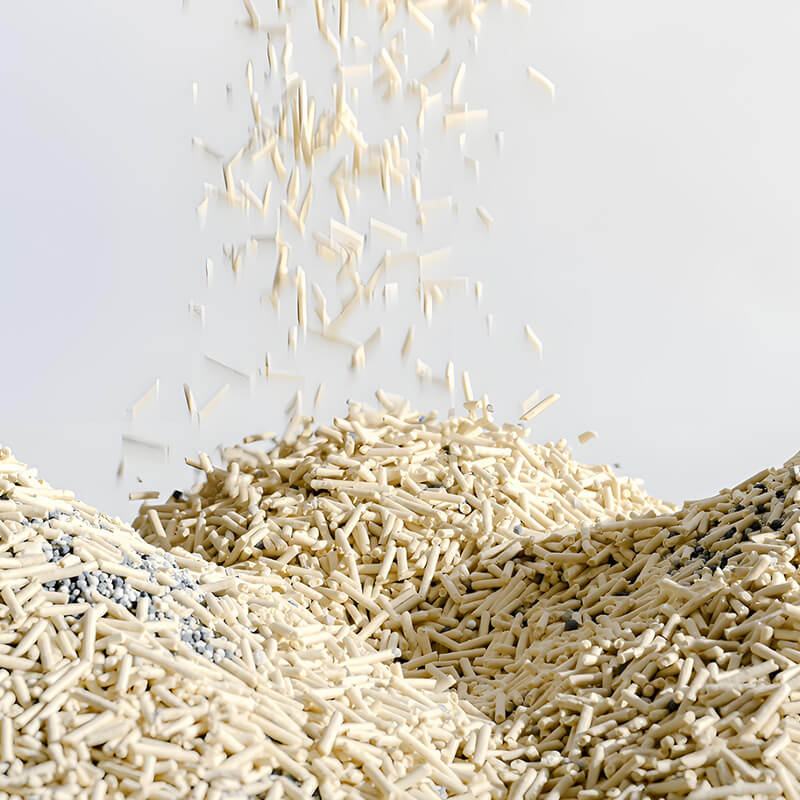
Product page: Hard Strength Tofu Cat Litter
-
Type: plant-based clumping cat litter made from natural pea fiber and soybean residue.
-
Hardness: 55° (resists crushing and crumbling); moisture content: below 11%.
-
Particle size: 1.8mm fine uniform pellets for low tracking and comfortable digging.
-
Scent options: Original, Green Tea, Peach and Activated Carbon.
-
Features: low dust, rapid stable clumping, flushable small clumps; suitable for indoor cats and multi-cat homes; private label and sample orders available.
Send a pre-filled inquiry: Inquire about Hard Strength Tofu Cat Litter
Example 3 — Mixed Cat Litter, 70% Tofu & 30% Bentonite Blend
Product page: Mixed Cat Litter, 70% Tofu & 30% Bentonite Blend
-
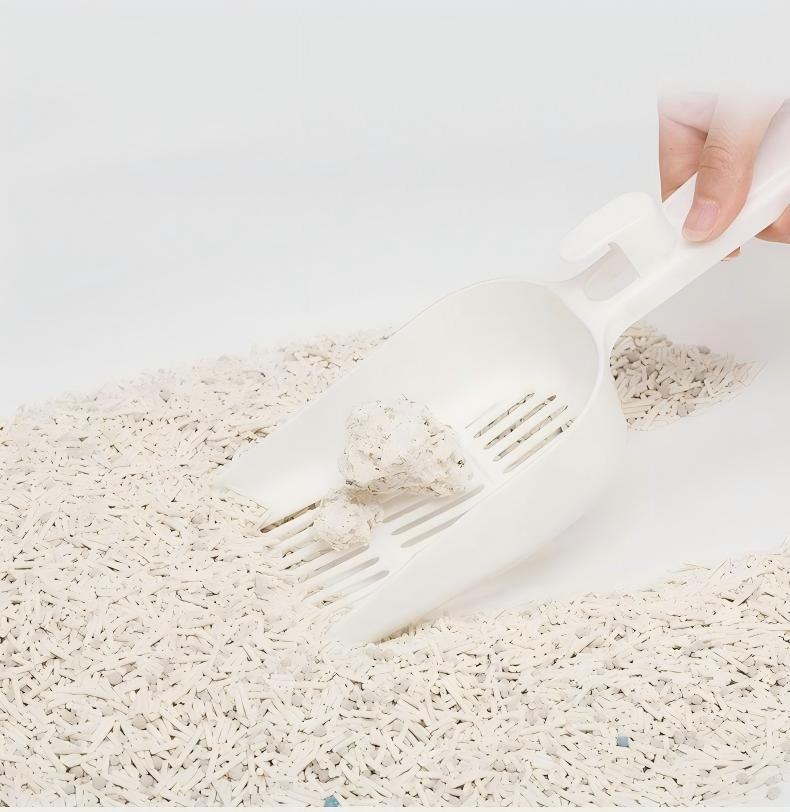
Formula: 70% selected pea tofu litter blended with 30% natural bentonite.
-
Particle size: 1.5mm fine short pellets with a soft, uniform texture and reduced tracking.
-
Dust control: four-stage dedusting system with durable pellet structure.
-
Odor control: nano-porous adsorption; strong, non-stick clumps; small clumps are flushable.
-
Application: kittens, adult cats and multi-cat households; OEM, private label and wholesale available.
Send a pre-filled inquiry: Inquire about Mixed Cat Litter
Table 2 consolidates the verified specifications side by side.
Table 2. Verified PLW specification overview (three featured SKUs)
|
Specification
|
Bentonite
|
Hard Strength Tofu
|
Mixed 70/30
|
|
Type
|
Clumping mineral
|
Plant-based clumping
|
Hybrid blend
|
|
Material / formula
|
Bentonite
|
Pea fiber & soybean residue
|
70% tofu + 30% bentonite
|
|
Particle size
|
Large granules
|
1.8mm fine pellets
|
1.5mm fine short pellets
|
|
Key measured specs
|
Low dust, fast tight clumps, non-stick base
|
55° hardness; moisture <11%; low tracking
|
Four-stage dedusting; nano-porous adsorption; flushable small clumps
|
|
Scent options
|
Confirm with PLW
|
Original, Green Tea, Peach, Activated Carbon
|
Confirm with PLW
|
|
Application
|
Single & multi-cat
|
Indoor & multi-cat
|
Kittens, adults, multi-cat
|
|
B2B service
|
OEM, private label, wholesale
|
Private label, samples, wholesale
|
OEM, private label, wholesale
|
These three SKUs are part of a wider eight-product cat litter range that also includes natural tofu, two cassava lines, scented tofu and millet litter. Browse the full selection on the Cat Litter category page.
Buying Tips: Your Bulk Cat Litter Checklist
-
Order samples first and run the same simple test on every candidate: pour for dust, add water for absorption speed, wait for the clump, then lift and press it to check strength and bottom sticking.
-
Lock the full specification in writing: material and formula, particle size, dust target, pellet hardness (tofu), moisture content, bag net weight and accepted tolerance.
-
Request a batch COA and a third-party report (SGS, Intertek or Bureau Veritas) covering dust, clumping and heavy metals; book a pre-shipment inspection for your first order with a new supplier.
-
Compare price per kilogram and full landed cost — product, bag, pallet, freight, insurance and duty — not the per-bag price.
-
Ask for a written container loading plan and confirm the gross weight stays within your shipping line's limit; verify moisture-barrier packaging and pallet quality.
-
Confirm the HS code with your own customs broker based on the actual composition before the proforma invoice is issued.
-
Get FOB, CIF and DDP quotations so the terms are comparable, and use standard 30%/70% T/T terms; never pay 100% before production.
-
Track the two MOQs and lead times separately — litter production versus custom printed packaging — and add buffer time for the September–February peak season.
-
Review private-label artwork, barcode and label language requirements, and check regulatory wording such as "flushable" against the rules in your destination market.
-
Agree in writing on the claim and replacement policy for out-of-spec or transit-damaged batches before you place the deposit.
Frequently Asked Questions
1. What is the typical MOQ when sourcing cat litter from China?
For full OEM supply, around 10 metric tons — roughly one 20GP container — is a common industry baseline. Suppliers often allow 2–4 SKUs to be mixed within that container, and smaller trial or sample orders are available for first-time buyers. PLW advertises flexible MOQ; confirm the exact figure for your chosen SKU.
2. Can I mix different cat litter types in one container?
Yes. Mixed containers are standard practice and let you test bentonite, tofu and blended SKUs in a single shipment without meeting the MOQ separately for each. Confirm the allowed number of SKUs and how palletization is handled.
3. Can I sell the litter under my own brand?
Yes. OEM and private-label programs cover formula, particle size, scent, color, bag size and artwork. Remember that custom packaging has its own MOQ and lead time, which should be quoted separately from the litter.
4. Which cat litter type should I choose for my market?
Choose bentonite for mainstream, price-sensitive volume; tofu or cassava for eco-friendly, low-dust and flushable positioning; cassava or millet for kittens and sensitive cats; and a 70/30 mixed blend when you want one balanced SKU with strong clumping and plant-based claims.
5. What HS code and import documents will I need?
The HS code depends on composition — bentonite-dominant, prepared blends and plant-fiber litter can fall under different headings (such as 2508.10, 3824 or 1404). Verify it with your broker. Standard documents include the invoice, packing list, bill of lading, COA, MSDS and any third-party test reports your market requires.
6. What payment terms are normal?
The bulk standard is 30% T/T deposit with 70% paid against the bill of lading copy before release of the goods. Letters of credit are an option for large orders, and full prepayment should be avoided.
7. How long do production and delivery take?
Plain-bag bulk orders move faster than private-label orders because printed packaging adds a separate production step, and lead times extend during the September–February peak. Ask for the confirmed lead time in writing on the proforma invoice, including packaging production.
Ready to Source Cat Litter in Bulk?
The fastest way to get an accurate quotation is to send one inquiry with your target litter type, particle size and scent, bag size and packaging requirements, order quantity, and destination port. PLW will come back with confirmed specifications, MOQ, lead time and FOB/CIF/DDP pricing, and samples can be arranged before any bulk commitment.
Request a Quote on the PLW Contact Us page, or browse the full Cat Litter category first. If you already know the product, use a pre-filled inquiry such as the Bentonite Cat Litter inquiry form.